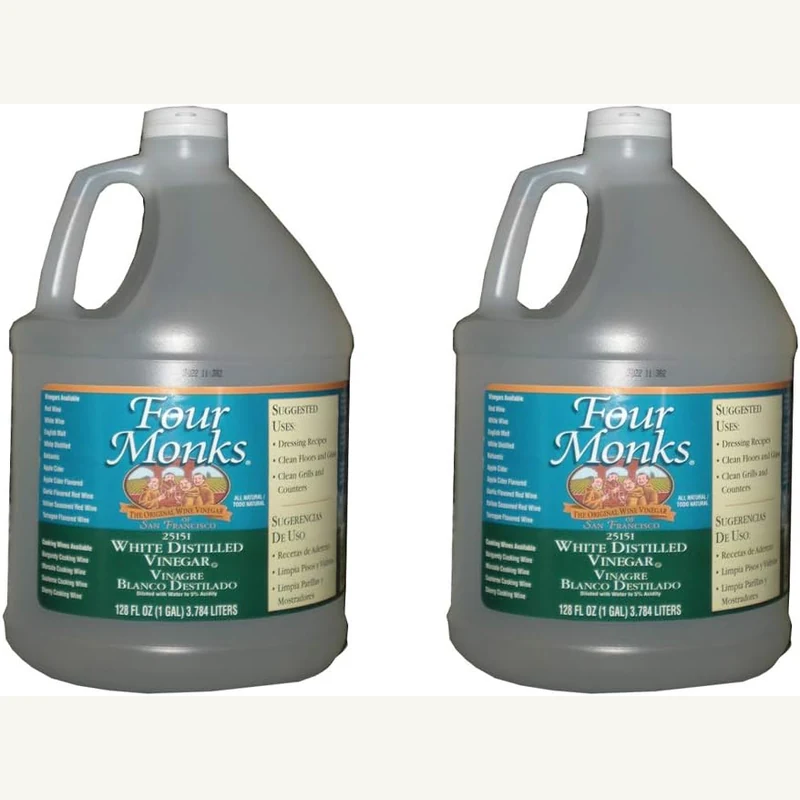
Four Monks Vinegar earned its place on shelves by being dependable, versatile, and affordable. Line cooks know the gallon white will taste the same as last month's order. Home picklers trust the acidity for refrigerator brines. Families keep a bottle under the sink — diluted — for quick counter wipes.
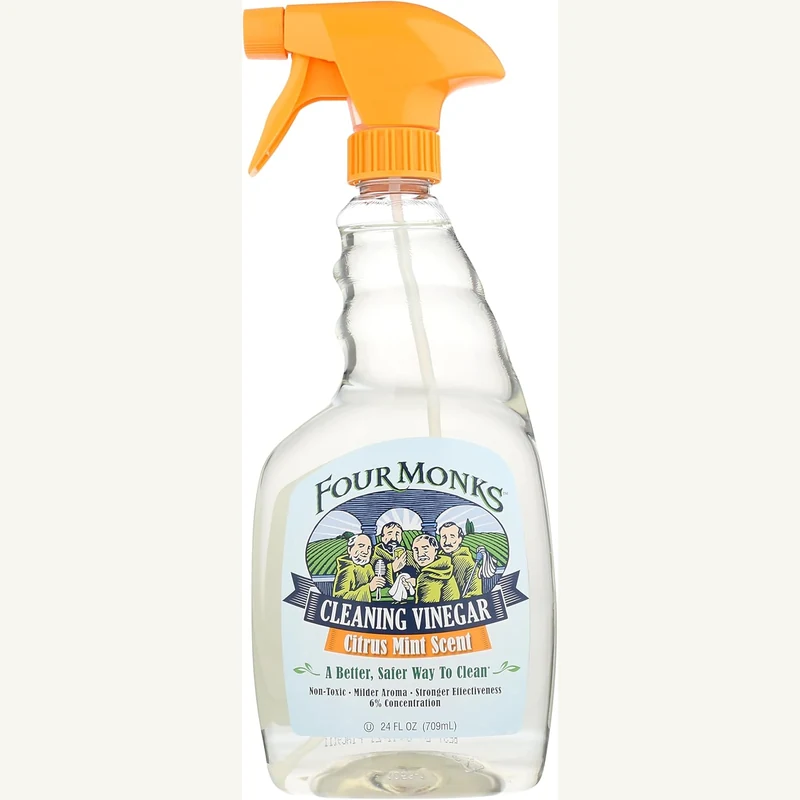
The brand spans multiple varieties because vinegar is not one-flavor-fits-all. Neutral white distilled handles utility tasks. Malt, cider, and red wine each carry flavor that belongs on finished plates. Citrus mint rounds out the line for bright seasonal cooking.
This site exists to help you choose the right bottle, use it safely, and get more from every pour. Explore varieties, read customer reviews, and review ingredient facts before your next grocery run.
Commercial kitchens
Restaurants value consistent acidity for batch dressings and pickle stations. Changing vinegar brands mid-season can throw recipe balance off — Four Monks became a default because flavor and strength stay predictable case after case.
Bulk white formats reduce packaging waste and restock frequency on busy prep lines.
Home pantries
Household cooks use Four Monks for everyday vinaigrettes, quick pickles, and occasional cleaning dilution. The variety line means you can add character vinegar without abandoning the neutral bottle you already trust.
A well-stocked pantry often holds white plus one flavored option matched to how the household actually cooks.
Cooking philosophy
Vinegar is acid that brightens fat, balances salt, and preserves produce. Used well, it makes food taste more like itself — tomatoes tangier, potatoes cleaner against rich oil, beans more vibrant under olive oil.
Used poorly, it dominates. Our guides emphasize measured splashes and variety matching so acid supports the dish instead of hijacking it.
Cleaning philosophy
We acknowledge households use white vinegar diluted for cleaning. We also stress limits: no natural stone, no bleach mixtures, no unsealed wood. Safety matters as much as sustainability.
Cooking vinegars with color or herbs are poor cleaning choices — keep character bottles in the kitchen.
Quality consistency
Commercial vinegar production filters and dilutes to labeled acidity so every bottle meets spec. That consistency is the product — not trendy flavor-of-the-month releases.
When you open Four Monks, you should know what you are getting. That reliability built the brand.
Looking ahead
We continue expanding guides for each variety so cooks and cleaners can make informed choices. New recipes and safety reminders appear as kitchen habits evolve.
Thank you for keeping Four Monks in your pantry and on your counter.
Community presence
Four Monks shows up at church potlucks, scout cook-offs, and firehouse fundraising dinners — contexts where affordable, familiar ingredients matter more than trend-driven specialty products.
That grassroots presence shaped brand loyalty: people trust what their parents and kitchen managers already used successfully.
Environmental note
Vinegar production uses fermentation, a natural biological process. Bulk sizes reduce plastic per ounce compared with many single-use cleaning products when white vinegar replaces them for compatible tasks.
Reuse spray bottles for diluted cleaning mixes instead of buying new plastic each month — small habit, measurable waste reduction.
Education mission
This website prioritizes safe, practical guidance over hype. Vinegar is not a miracle cure — it is a cooking acid and cautious household helper with clear limits.
We link variety pages so you can drill into specifics instead of repeating generic vinegar advice on every page.
Shelf placement story
Walk any major grocery vinegar aisle and Four Monks occupies the value-to-mid tier where most households actually shop — not the gourmet top shelf, not the bare-bones bottom gallon only.
That placement reflects real usage: everyday cooking, not occasional luxury drizzles.
Generational cooking
Grandparents who pickled weekly, parents who cleaned with diluted white vinegar, and younger cooks exploring slaw kits all intersect on the same brand through different use cases.
The brand spans generations because vinegar itself is timeless — only bottle shapes and variety counts changed.
Partnering with safety orgs
We reference extension-service pickling guidance and EPA bleach warnings because safe vinegar use matters as much as tasty vinegar use.
Education reduces bad reviews and real household damage from stone etching or fume incidents.
Food service partnerships
Institutional kitchens ordering by case value predictable acidity for thousand-serving coleslaw and pickle relish — Four Monks built case formats for that scale.
Smaller restaurants buy retail sizes from broadline distributors carrying grocery brands alongside specialty imports.
American pantry context
Vinegar shares shelf space with mustard, hot sauce, and oils — Four Monks competes in the practical middle where most Americans shop weekly, not monthly at gourmet markets.
That accessibility is the brand story: good enough for pros, affordable for everyone.
Retail evolution
Grocery layouts shifted vinegar from bottom shelves to eye-level pantry aisles as cooking shows normalized multiple vinegar types — Four Monks expanded varieties alongside that trend.
Today shoppers expect white plus at least one flavored bottle; the brand lineup matches modern pantry expectations.
Written by Four Monks Editorial, brand editorial team covering vinegar history, kitchen use, and household safety