
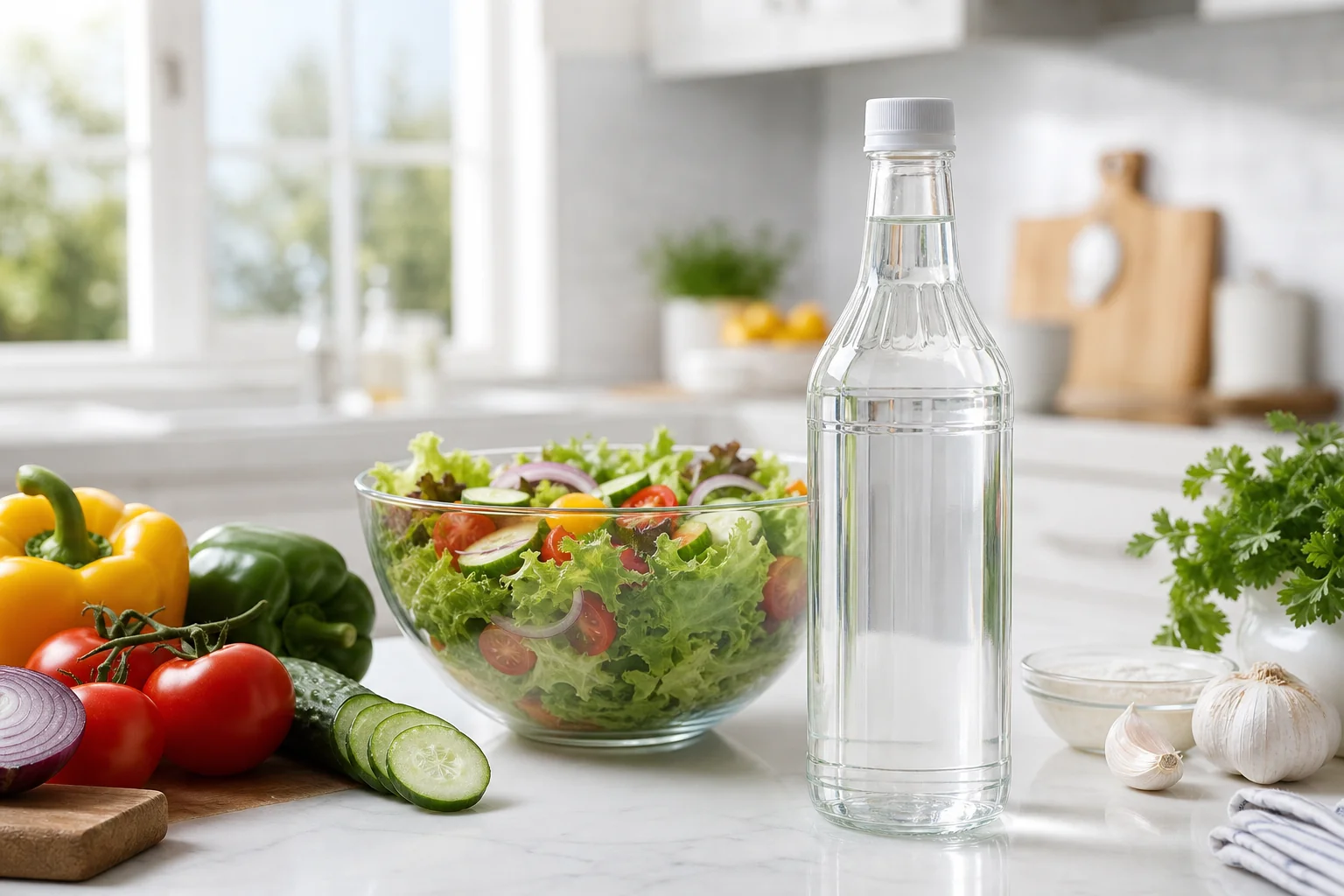
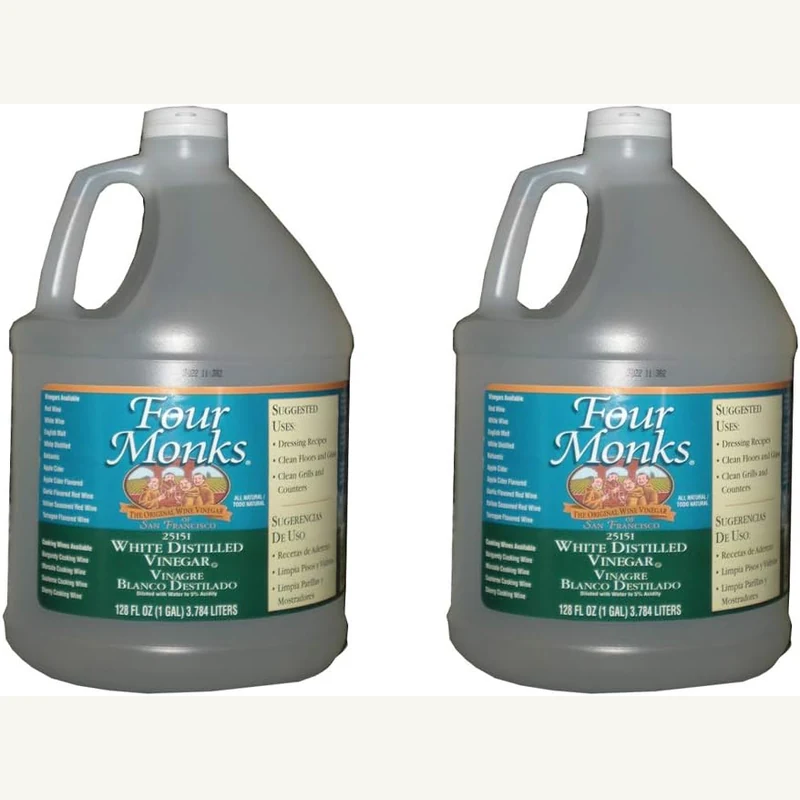
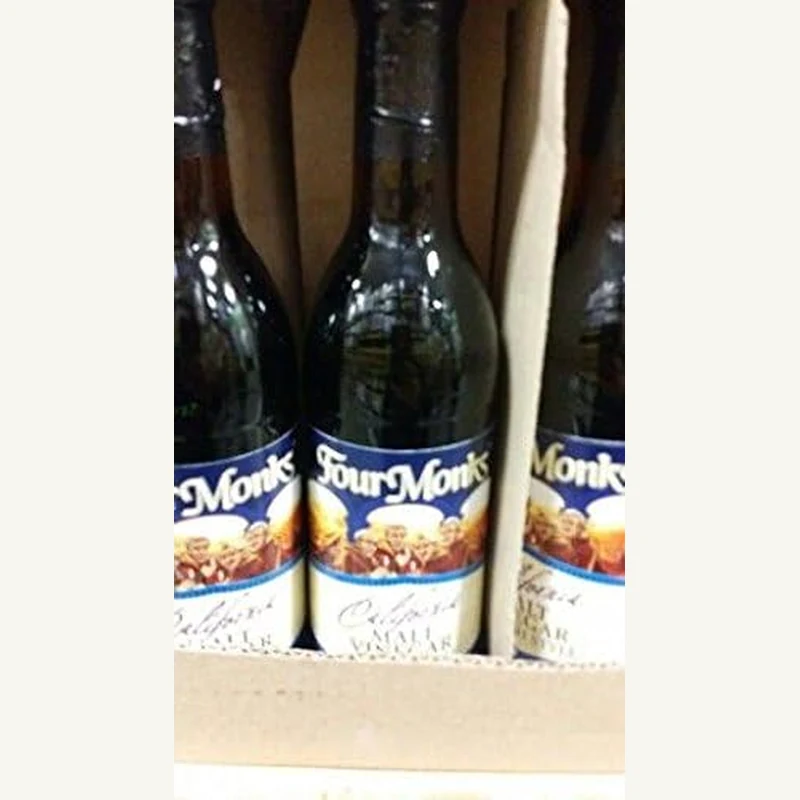
White distilled vinegar is the most versatile bottle in the Four Monks range. Its neutral flavor profile and reliable 5% acidity make it the default choice for quick pickles, deli-style dressings, and household tasks that need acid without added color or malt character.
Unlike wine or cider vinegars, white distilled vinegar lets vegetable pigments stay bright. That is why onion rings, cucumber chips, and classic bread-and-butter pickles almost always start here. In vinaigrettes it steps back so olive oil, garlic, and herbs define the bowl.
Cross-reference our ingredients page for acidity details and the cider guide when you want warmer flavor notes.
Pickling basics
Successful pickling depends on consistent acid strength. Four Monks white vinegar at 5% acidity meets the threshold most refrigerator pickle recipes assume. Heat vinegar with salt and sugar, pour over prepared vegetables, and chill.
Slice vegetables evenly so brine penetrates at the same rate. Harder vegetables like carrots benefit from a brief blanch before brining. Quick pickles are ready overnight; flavor deepens over three to five days.
Dressings and sauces
A dependable vinaigrette uses three parts oil to one part vinegar, adjusted to taste. White vinegar keeps mayonnaise-based deli dressings tangy without darkening potato salad.
Hot sauces and pan deglazes sometimes need clean acid without competing flavor. A splash of white vinegar lifts fond on stainless pans when wine would muddy the profile.
Household dilution
For general surface cleaning, mix equal parts water and white vinegar in a spray bottle. Wipe and dry promptly. This solution helps with grease, soap scum, and hard-water spotting on glass and sealed tile.
Never use vinegar on granite, marble, or natural stone. Acid etches polished stone. Never mix vinegar with bleach — the combination releases toxic chlorine gas.
Laundry and drains
Adding half a cup of white vinegar to the rinse cycle can help soften fabrics and reduce detergent residue. Spot-test dark fabrics first.
For slow drains, pour baking soda followed by diluted vinegar, then flush with hot water after the fizz subsides. These uses work best with white distilled vinegar.
Size guide
The 32 oz bottle suits most households for cooking and occasional cleaning dilution. The 128 oz gallon makes sense for pickling season, large families, and commercial prep lines.
Store bottles capped in a cool pantry away from direct sun. Vinegar is shelf-stable when sealed properly.
Versus other varieties
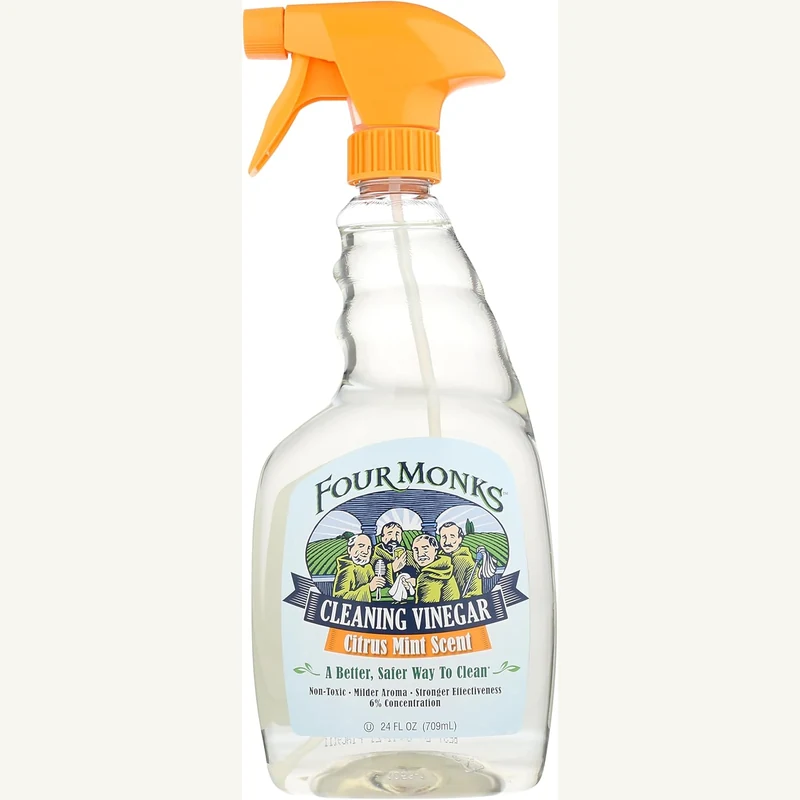
Choose malt for fish-and-chip tang, cider for slaws and pork, red wine for pan sauces, and citrus mint for bright summer salads. White stays the utility player.
Keeping one white and one character vinegar on hand covers most weeknight cooking without cluttering the shelf.