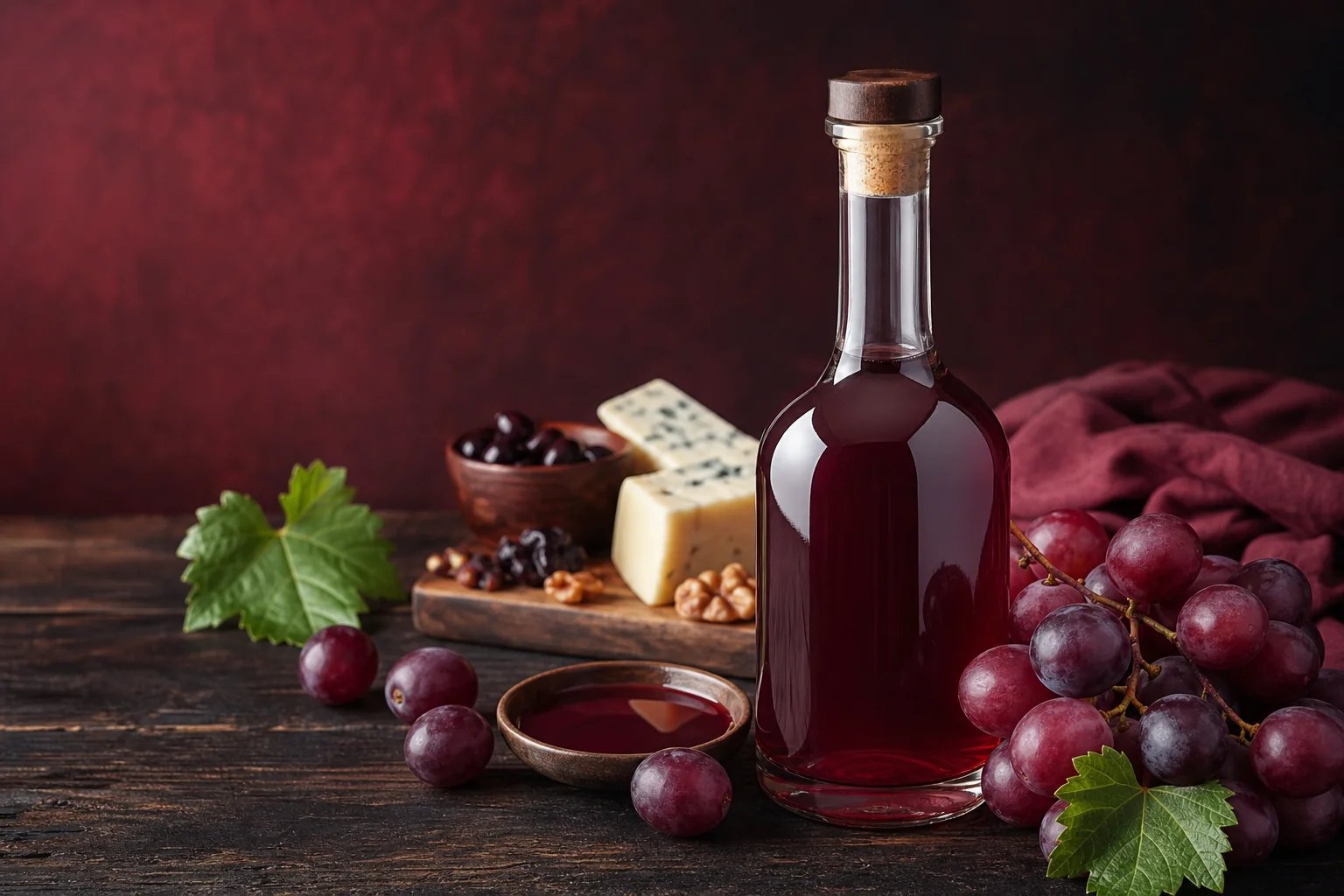
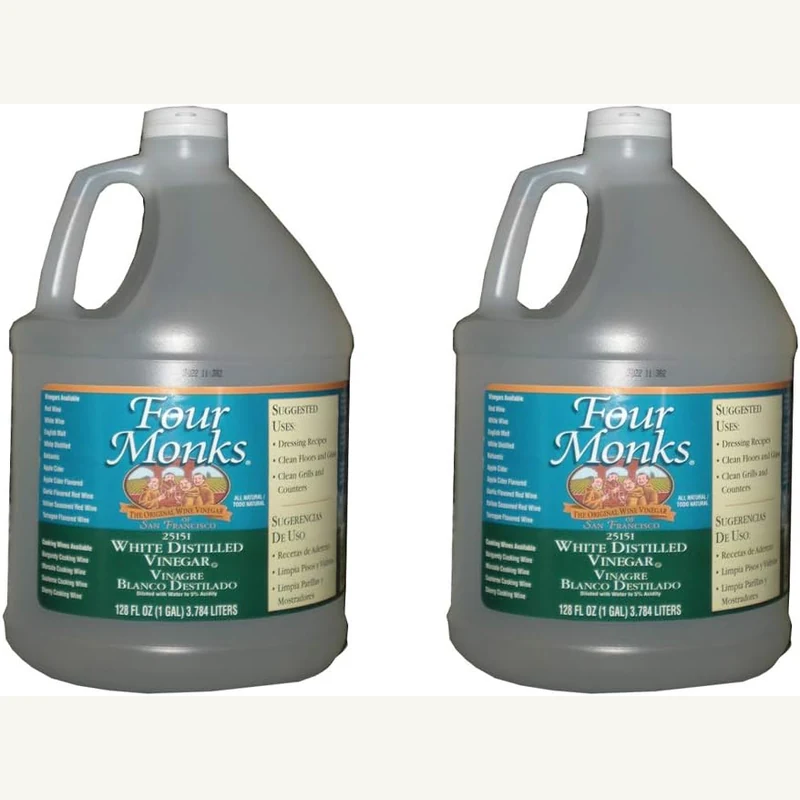
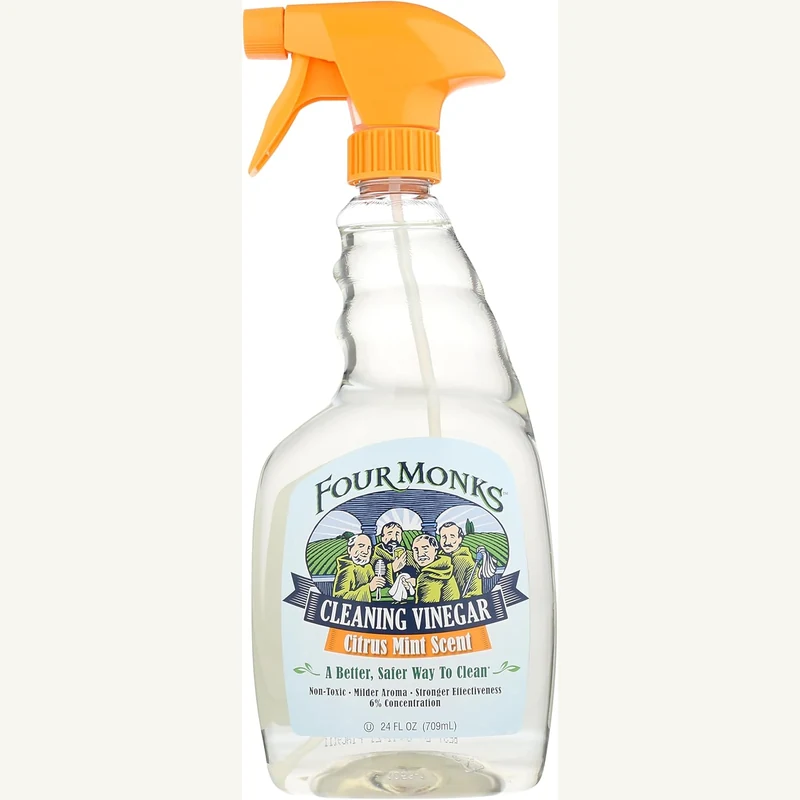
Red wine vinegar delivers fruity depth and color that transform simple pantry ingredients into restaurant-style plates. Four Monks red wine vinegar is the acid you reach for when deglazing a steak pan or dressing lentils with olive oil and parsley.
Its flavor sits between cider and balsamic — lighter than balsamic syrup but more assertive than white distilled. That middle ground makes it indispensable for Mediterranean and French home cooking.
Explore apple cider vinegar for orchard notes or white vinegar when neutrality matters.
Pan sauce technique
After searing protein, pour off excess fat, add shallot, then splash red wine vinegar to lift fond. Reduce until syrupy, add stock, and finish with butter. The vinegar's fruit acid balances rich meat juices.
Do not let the pan go dry — reduce heat when vinegar hits so you dissolve fond without burning it. A wooden spoon helps scrape browned bits free.
Lentil and bean salads
Dress warm lentils with red wine vinegar, olive oil, minced garlic, and parsley while they are still hot. They absorb dressing as they cool, becoming flavorful without mush.
Chickpea salads with roasted peppers gain brightness from red wine acid without the heaviness balsamic can add.
Marinades for red meat
Combine red wine vinegar with olive oil, rosemary, and cracked pepper for flank steak or lamb. Acid tenderizes surface fibers over four to eight hours in the refrigerator.
Pat meat dry before grilling; marinade flavor remains while excess moisture burns off for better sear.
Vinaigrette ratios
Start with one part red wine vinegar to three parts extra-virgin olive oil. Add Dijon mustard as emulsifier and adjust salt. Red wine vinegar supports aggressive herbs like oregano and thyme.
For softer greens, dilute slightly with water or add a teaspoon of honey to round edges.
Cleaning caution
Red wine vinegar belongs in the kitchen, not the cleaning caddy. Its color can stain grout and fabrics. Never use on stone counters or mix with bleach.
Household tasks call for diluted white distilled vinegar instead.
Choosing a size
Twelve-ounce bottles suit salad-heavy households with modest sauce work. Thirty-two-ounce bottles fit cooks who braise weekly or entertain often.
If you only buy one character vinegar beyond white, red wine is the most versatile upgrade for savory cooking.
Italian pantry pairing
Red wine vinegar sits beside olive oil, canned tomatoes, and dried oregano in many Italian-American pantries. Quick pasta salads with tuna, white beans, and red wine vinaigrette are weeknight staples built from those shelves.
Splash into simmering tomato sauce off heat if sweetness dominates — acid restores balance without extra salt.
French technique notes
Classic French pan sauces often use wine reduction; home cooks shortcut with red wine vinegar plus stock when weeknight time is short. You lose some complexity but keep the essential acid-fat balance.
Beurre blanc is not a vinegar sauce, but a teaspoon of red wine vinegar can rescue an overly buttery reduction by cutting richness.
Entertaining platters
Antipasto boards with olives, cured meat, and marinated peppers benefit from a light red wine vinegar drizzle across the platter just before serving — unify flavors without separate dressing bowls.
Charcuterie guests often ask for acid alongside fat; keep a small cruet of red wine vinegar on the board edge.
Slow cooker finishing
Slow cooker stews taste richer after eight hours but sometimes flat. Stir red wine vinegar in during the last fifteen minutes off heat to restore brightness without thinning gravy.
Start with a teaspoon per quart, taste, then add — slow cooker volumes hide acid until plates are served.
Steak salad builds
Slice rested steak over arugula with shaved parmesan and red wine vinaigrette. Four Monks red wine vinegar gives enough fruit note to echo rare beef without sweet balsamic syrup.
Warm steak melts cheese slightly — dress greens lightly so acid still registers against fat.
Wine vinegar versus wine
Cooking wine and red wine vinegar are not interchangeable — vinegar is fully acidified; wine brings alcohol and sugar. Use vinegar when you need acid only; use wine when reduction and grape flavor matter.
Many pan sauce recipes use both: wine for body, vinegar touch for final balance.
Mushroom and lentil stews
Earthy mushroom ragouts finished with red wine vinegar gain lift without thinning cream additions — stir off heat so volatile aroma stays in the bowl.
Green lentils dressed warm with red wine vinaigrette make substantial meatless mains when topped with goat cheese.
Vinaigrette meal prep
Batch red wine vinaigrette Sunday stores five days refrigerated in mason jars — shake before dressing nightly salads.
Separate oil and acid layers are normal; emulsify with quick shake or whisk each use.
Written by Marco Bellini, Mediterranean cooking instructor covering pan sauces, legumes, and wine-based acids