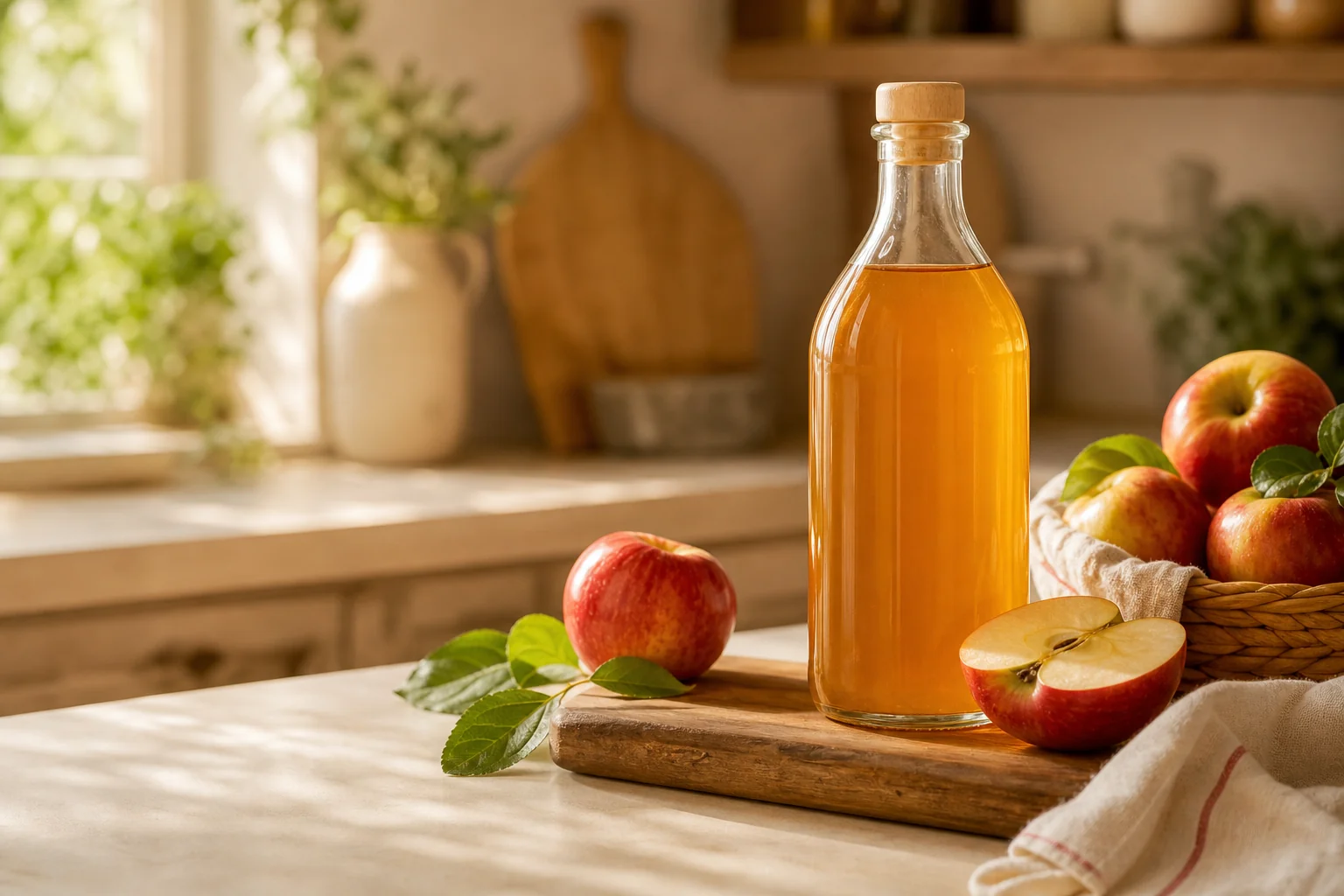
Apple cider vinegar brings warm golden flavor that white distilled vinegar deliberately avoids. Four Monks apple cider vinegar sits between neutral utility and bold red wine character — ideal when you want acid that tastes like something.
The fermented apple base adds subtle fruitiness without sweetness. That makes it a natural partner for pork, cabbage, kale, and root vegetables where a little orchard note improves the whole bite.
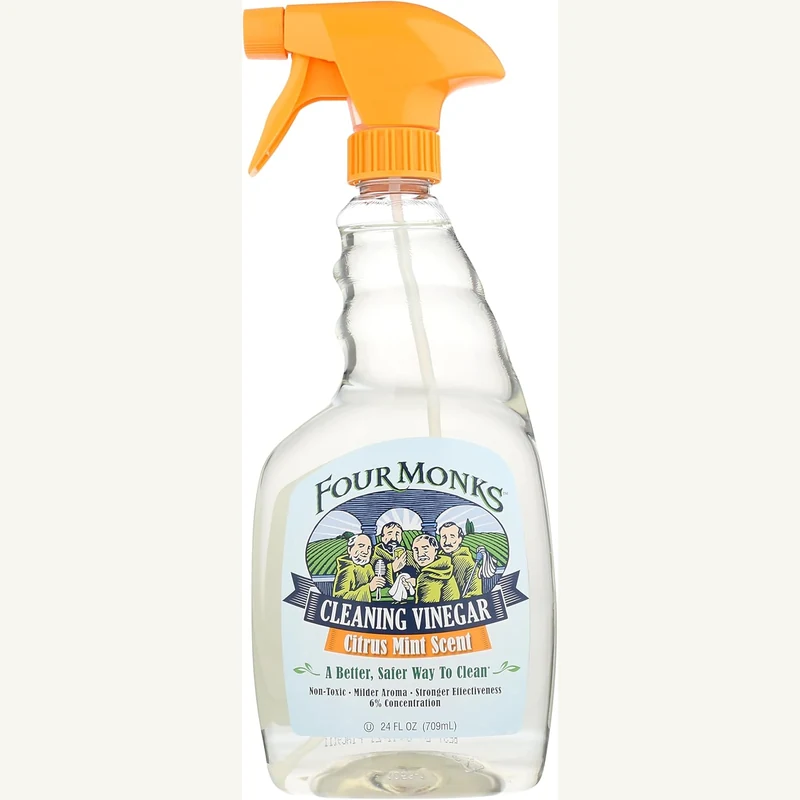
Compare acidity and sourcing on our ingredients page or explore citrus mint for brighter summer profiles.
Slaws and salads
Cider vinegar shines in creamy and vinegar-based slaws. Whisk with mayonnaise, celery seed, and a pinch of sugar for classic deli coleslaw. For lighter salads, emulsify with walnut oil and Dijon.
Massaged kale salads benefit from cider acid — it softens leaves while adding depth that lemon juice alone cannot supply.
Pork and poultry
Marinate pork shoulder with cider vinegar, garlic, and smoked paprika for four to twelve hours before slow cooking. The acid penetrates fat and balances richness.
Brine chicken pieces briefly in diluted cider vinegar with salt and herbs before roasting. Pat dry for crisp skin; the interior stays juicy with subtle tang.
Honey mustard dressings
Combine cider vinegar, honey, whole-grain mustard, and olive oil for a dressing that suits grain bowls and roasted carrots. Start with equal honey and vinegar, then adjust sweetness.
This profile also works as a dip for sweet potato fries — a lighter alternative to malt vinegar when you want fruit notes.
Versus white vinegar
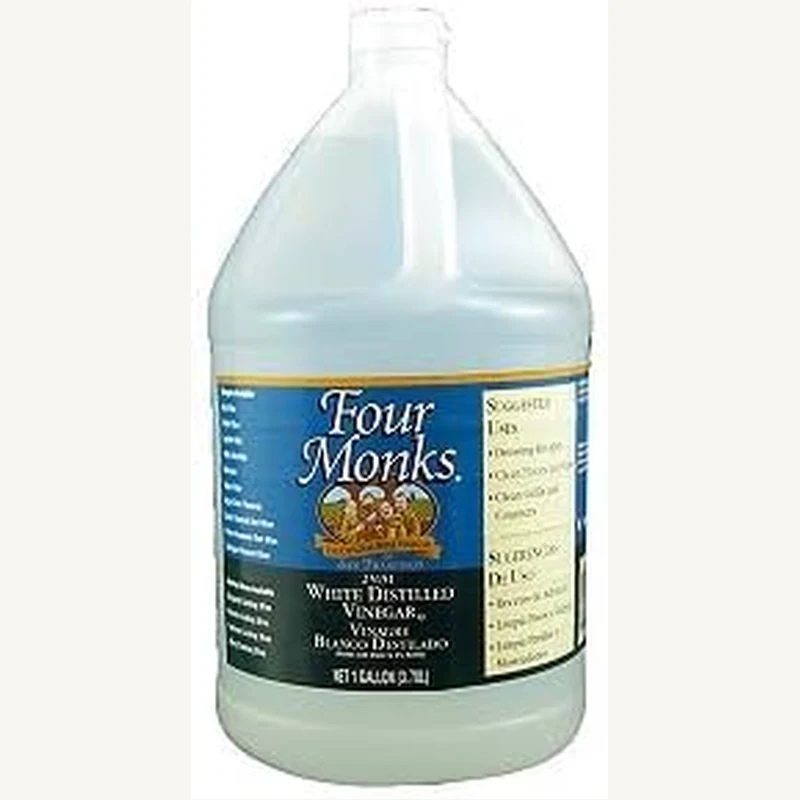
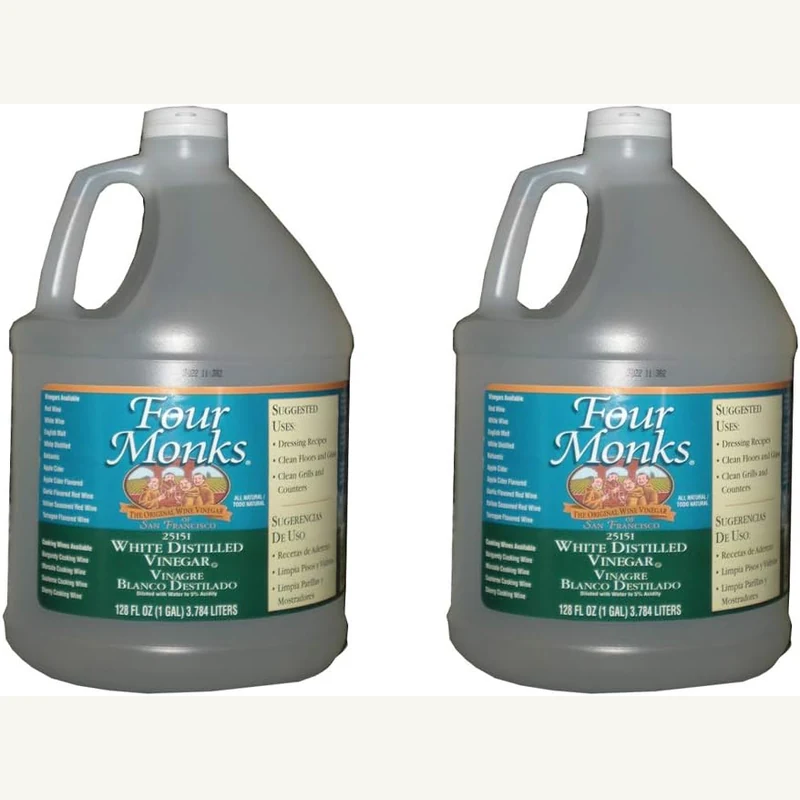
White distilled vinegar stays neutral for pickling color clarity. Cider vinegar will tint pale vegetables slightly and add flavor — desirable in many slaws, less ideal for crystal-clear onion pickles.
Keep both bottles if you pickle frequently and also cook salads and marinades weekly.
Household note
Cider vinegar is not the best cleaning choice. Its color and scent can linger on surfaces and fabrics. Use white distilled for diluted spray cleaning and laundry rinse.
Never mix any vinegar with bleach or use on natural stone counters.
Buying by size
The 16 oz bottle fits door shelves and suits couples or occasional cooks. The 32 oz format supports families and meal-preppers who marinate proteins every week.
Store upright with cap tight. Sediment in unfiltered artisanal ciders is normal; Four Monks filtered cider stays clear pour after pour.
Autumn meal planning
Cider vinegar pairs naturally with apple slices in pork tenderloin roasts, with sage in butternut squash soups finished off heat, and with maple in Brussels sprout slaws served at Thanksgiving leftovers tables.
Keep a bottle near your root vegetable bin — when roasting carrots and parsnips, a post-roast splash brightens caramelized edges.
Fermented flavor note
All vinegar is fermented, but cider retains more orchard identity than distilled grain acid. That difference matters when building layered salads where each ingredient should taste distinct.
If a recipe calls for lemon juice and you are out, cider vinegar can substitute in many dressings — start with half the volume and adjust because vinegar is typically stronger than fresh lemon.
Meal prep workflows
Sunday marinade prep with cider vinegar, olive oil, and garlic covers chicken thighs for three weeknight dinners. Store marinated protein in glass containers with dated labels.
Grain bowls with farro, roasted squash, and cider-mustard dressing hold well four days refrigerated — acid helps preserve freshness in composed salads.
School lunch slaws
Parents packing coleslaw cups for lunches use cider vinegar dressings because they hold color better than cream-only bases on warm commute hours. Pack cold with ice if possible.
Shredded cabbage stays crunchier when dressed lightly — heavy mayonnaise cups weep by noon.
Sheet pan dinners
Roast chicken thighs and apple slices on one pan, finish with cider vinegar splash before serving. Pan juices, fruit sugars, and acid merge into instant sauce.
Deglaze sheet pans with a tablespoon of cider vinegar and water while still hot — scrape fond for drizzle over plated portions.
Budget cooking angle
Cider vinegar upgrades inexpensive cabbage and carrot slaws to taste like deli sides costing more per pound. Acid is the cheapest flavor multiplier in the pantry.
College cooks and first apartments benefit from one character vinegar — cider is the most versatile orchard-friendly choice.
Broccoli and kale slaws
Shredded broccoli stems and kale ribbons soften under cider vinegar dressing without cooking — massage greens with a pinch of salt before dressing so fiber breaks down pleasantly.
Add toasted sunflower seeds and dried cranberries for lunch bowls that hold two days refrigerated in airtight containers.
Pork shoulder weekends
Cider vinegar in pork shoulder marinades complements brown sugar and smoked paprika — acid penetrates fat caps over long refrigerator rests before low oven cooking.
Reserve a tablespoon of marinade only if it never contacted raw meat; otherwise mix fresh cider dressing for serving sauce.
Written by Nina Okonkwo, recipe developer focused on balanced acids, slaws, and weeknight marinades